HMCS Fredericton (337)
Commissioned on December 8, 1941, at Sorel, Québec, the Flower Class corvette HMCS Fredericton arrived at Halifax, Nova Scotia, on December 18.

Commissioned on December 8, 1941, at Sorel, Québec, the Flower Class corvette HMCS Fredericton arrived at Halifax, Nova Scotia, on December 18.
Two Half-Companies of the Royal Canadian Naval Volunteer Reserve (RCNVR), with 50 officers and sailors each, were established in Montreal, QC, on June 28, 1923.
She served with Western Local Escort Force until November 1942 when she was assigned to duties in connection with Operation TORCH, the invasion of North Africa.
The Flower Class corvette HMCS Regina arrived at Halifax, Nova Scotia, on January 6, and was commissioned on January 22, 1942. She served with Western Local Escort Force until September, when she was reassigned to Operation TORCH, the invasion of North Africa.
Commissioned on May 6, 1944, at Lévis, Quebec, HMCS Toronto arrived at Halifax, Nova Scotia, on May 28, leaving on June 18 for a month’s work up in Bermuda.
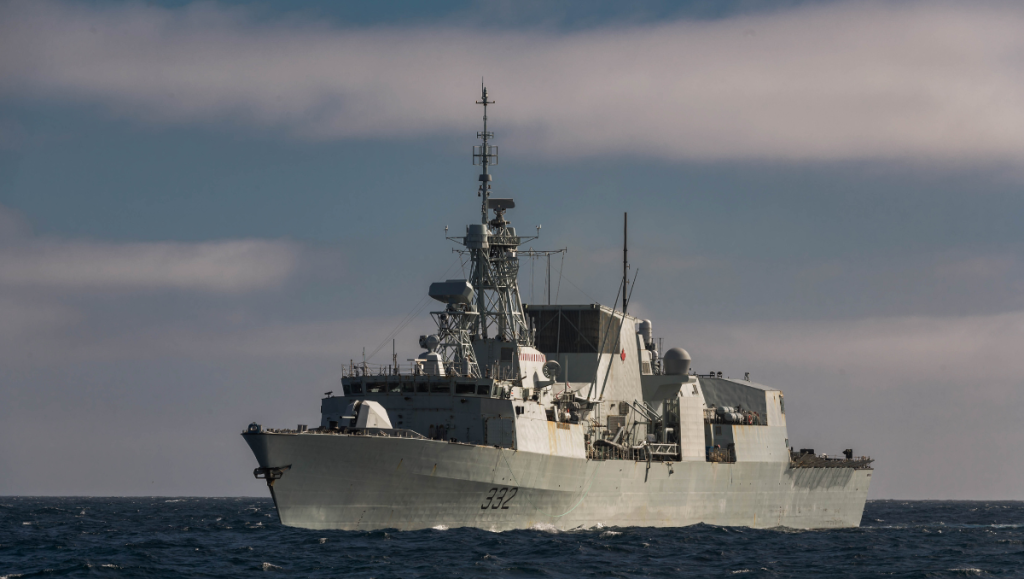
Commissioned in Quebec City (Quebec) on May 24, 1942, the corvette HMCS Ville de Québec arrived in Halifax (Nova Scotia) on June 12.

Initially named HMS Toreador, this ship was originally commissioned in the Royal Navy in 1919. She was loaned to the RCN that was awaiting the completion of new ships ordered to replenish its aging fleet.
There have been 2 vessels named Halifax in the Royal Canadian Navy. HMCS Halifax (1st of the name) (K237) – HMCS Halifax K237.

The Harry DeWolf-class Arctic and Offshore Patrol Vessels (AOPV) enhance the RCN’s ability to assert Canadian sovereignty in Arctic and coastal Canadian waters.
The UWSU project will improve the performance of the underwater sensors through the upgrade and/or replacement of the components of the underwater warfare sensor suite.
The RMDS contract includes a two year $40 million acquisition program and a five-year up to $10 million Integrated Logistics Support (ILS) program that includes options for additional equipment, spare parts, training, and technical support.
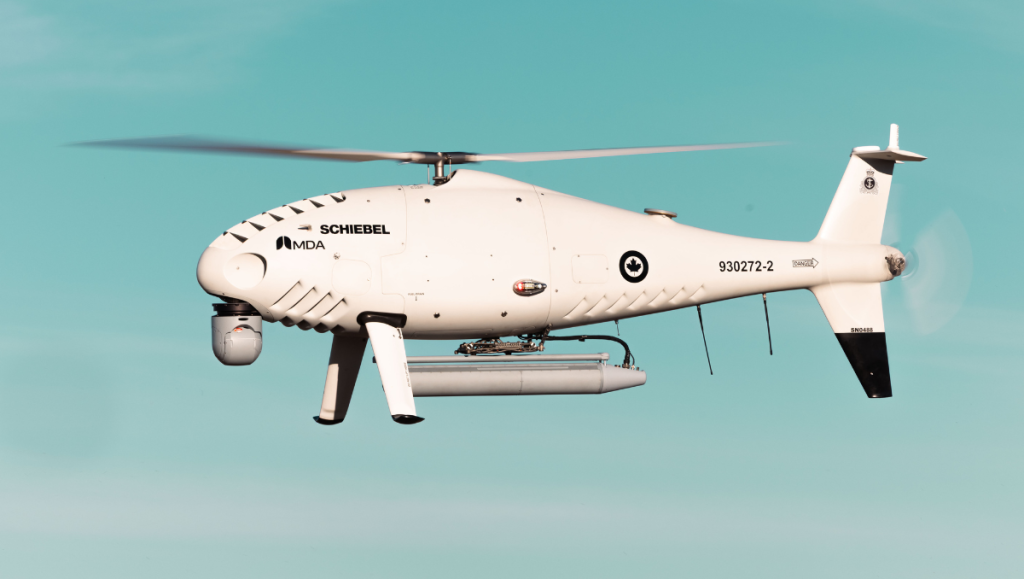
RCN ISTAR program is meant to acquire UAVs to be launched from the RCN’s Halifax-class ships.
The naval large tug project is intended to replace the Royal Canadian Navy’s 5 civilian-crewed Glen-class large tugs and the 2 Fire-class rescue boats.
The aim of this project is to provide 6 to 8 common Naval Inshore Support Vessel (NISV) to the RCN: platform to ensure Fleet Diving Units conduct diving operations and maintain readiness of capabilities.
The NCM Project will modernize existing RCN radio communications capabilities for the Halifax Class Ships (HCS) and the Victoria Class Ships (VCS) with modern, software-defined, software-reprogrammable and software-upgradable secure voice, data and LINK-16 radio communications capabilities.